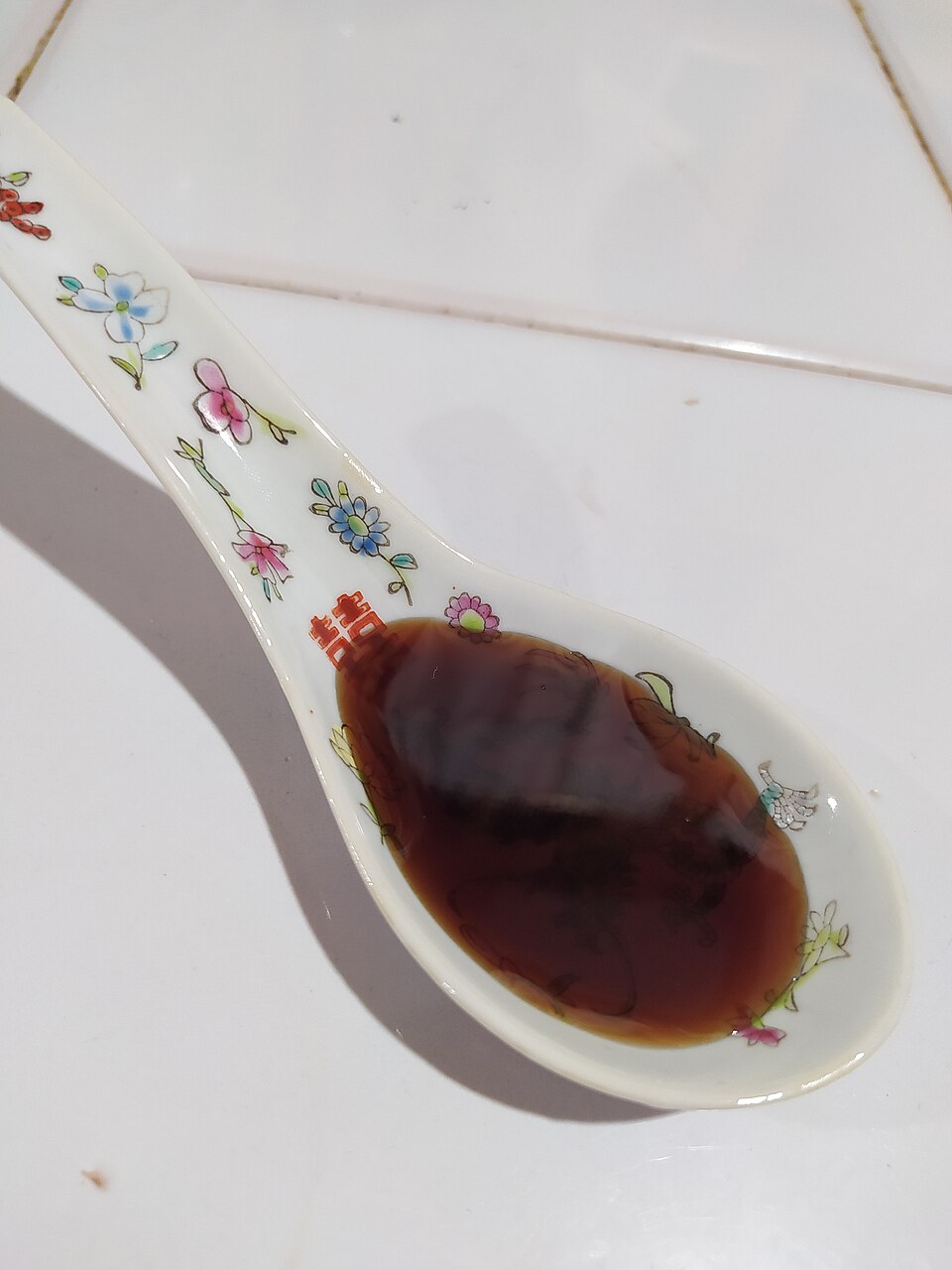
What is Pomegranate Molasses? Discover This Middle Eastern Staple
In the vibrant tapestry of Middle Eastern cuisine, certain ingredients stand out as true culinary cornerstones, lending their unique character to dishes both simple and sublime. Among these cherished staples is pomegranate molasses, a rich, ruby-red syrup that embodies the essence of the revered fruit it's derived from. More than just a condiment, it's a flavour enhancer, a tenderizer, and a secret weapon for countless chefs and home cooks alike. But what exactly is this glossy, dark syrup, and why has it captivated palates for centuries?
What Exactly Is Pomegranate Molasses?
At its heart, pomegranate molasses is a highly concentrated syrup made by reducing pure pomegranate juice. Imagine the bright, tangy essence of fresh pomegranate juice, then picture it simmered slowly and patiently until it transforms into a thick, glossy liquid – that's pomegranate molasses. This meticulous reduction process not only thickens the juice but profoundly deepens and concentrates its flavour profile.
The resulting taste is a complex symphony of sweet and tart, often with subtle caramelised undertones that develop from the slow cooking. It's a flavour that is both bold and nuanced, capable of brightening a dish with its acidity while simultaneously adding a sophisticated depth. Sometimes referred to simply as "pomegranate syrup," this versatile ingredient is a staple across the Middle East, particularly prominent in Lebanese, Syrian, Persian, and Turkish cuisines, where its unique qualities are celebrated in a vast array of dishes.
The process of making it is deceptively simple in concept: take pure pomegranate juice and simmer it down. However, the magic lies in the transformation. As the water evaporates, the natural sugars and acids of the pomegranate become intensely concentrated, creating a syrup that is far more potent and versatile than the fresh juice itself. This concentration also gives it an incredibly long shelf life, making it a valuable pantry item.
The Two Primary Types: Classic vs. Sugar-Free
While the fundamental process remains the same, pomegranate molasses can be made in two principal ways, each offering a slightly different flavour experience:
- Classic (Sweetened) Pomegranate Molasses: This version incorporates sugar during the reduction process. The addition of sugar results in a more balanced flavour profile – still tart, but with a pronounced sweetness that makes it incredibly versatile for both savoury and sweet applications. It also tends to reach its desired consistency a bit faster.
- Sugar-Free (Unsweetened) Pomegranate Molasses: For those who prefer a more intense, unadulterated tang, the sugar-free method is ideal. Made solely from reduced pomegranate juice, this version is brighter, more intensely tart, and provides a powerful acidic punch. It typically requires a longer simmering time to achieve the desired thickness.
Regardless of the method, a small amount of acid, such as lemon juice or citric acid, is often added at the very end. This serves a dual purpose: it acts as a natural preservative, extending the molasses's shelf life, and it further brightens the overall flavour, preventing it from becoming too flat or one-dimensional.
The Culinary Magic: Sweet, Tart, and Uniquely Versatile
The true brilliance of pomegranate molasses lies in its remarkable versatility. Its distinctive sweet-tart profile allows it to effortlessly bridge the gap between savoury and sweet, transforming ordinary ingredients into extraordinary culinary experiences. It’s truly a game-changer, described by experts as having "culinary superpowers."
Savoury Applications: Adding Depth and Brightness
In savoury cooking, pomegranate molasses acts as a potent flavour enhancer, capable of cutting through richness, tenderizing meats, and adding a glossy, appealing finish. Here are just a few ways it shines:
- Marinades and Glazes: Its acidity helps tenderize meats like lamb, chicken, and beef, while its sugars caramelise beautifully under heat, creating a stunning glaze. Think of a pomegranate-glazed roasted chicken or succulent lamb chops marinated in a mixture of molasses, garlic, and herbs.
- Salad Dressings: A drizzle of pomegranate molasses can elevate a simple vinaigrette to new heights. It's an indispensable ingredient in traditional Middle Eastern salads like fattoush, adding a vibrant tang that balances the fresh vegetables and crispy bread.
- Dips and Spreads: It lends a crucial tartness to rich dips such as muhammara (a roasted red pepper and walnut dip) and baba ghanoush (eggplant dip), providing a refreshing counterpoint to their earthy flavours.
- Roasted Vegetables: Tossed with root vegetables like carrots, parsnips, or Brussels sprouts before roasting, it encourages caramelisation and imparts a delightful sweet-sour note.
- Stews and Braises: In slow-cooked dishes like Persian fesenjan (a rich chicken or duck stew with walnuts), pomegranate molasses provides essential depth and a characteristic tangy richness that defines the dish. It also shines in Middle Eastern tagines and lentil soups.
Sweet Applications: A Sophisticated Tang
While celebrated for its savoury contributions, pomegranate molasses also finds a delightful home in desserts and beverages:
- Dessert Topping: Drizzle it over plain yogurt, ice cream, fresh fruit salads, or even cheesecake for an unexpected, sophisticated twist.
- Baking: Incorporate it into glazes for cakes, tarts, or even certain cookie recipes for a unique fruity tang.
- Beverages: A dash of molasses can add a vibrant, complex note to cocktails and mocktails, offering a tangy alternative to simple syrup. Imagine a sparkling water with a splash of pomegranate molasses and fresh mint.
To truly appreciate the breadth of its applications and understand why it's a must-have in your kitchen, dive deeper into its culinary versatility. For more creative ideas and expert tips, read our companion article: Pomegranate Molasses: Sweet, Tart & Versatile Culinary Secret.
Crafting Your Own: The Art of Homemade Pomegranate Molasses
While readily available in many specialty food stores and Middle Eastern markets, making pomegranate molasses at home is a rewarding experience. It gives you complete control over the sweetness, tartness, and consistency, ensuring a fresh product free from any additives. The process is straightforward, requiring minimal ingredients and patience.
Essential Ingredients and Equipment:
- Pomegranate Juice: The star ingredient. Opt for 100% pure pomegranate juice with no added sugars or preservatives. You can even juice your own pomegranates for the freshest result.
- Acidic Preservative: Freshly squeezed lemon juice or citric acid are crucial. They brighten the flavour and act as a natural preservative. Citric acid is often preferred for its consistency and ease of measurement.
- Sweetener (Optional): For the classic, sweetened version, white granulated sugar is used to balance the tartness. It's omitted for the sugar-free, more intensely tangy molasses.
- Wide Stainless-Steel Pan: This is key. A wide pan (like a sauté pan or a shallow stockpot) maximises the surface area, allowing water to evaporate more quickly and significantly reducing simmering time. Stainless steel is preferred for its even heat distribution and non-reactive properties.
The Simple Steps to a Homemade Staple:
- Combine Ingredients: Pour the pomegranate juice into your wide pan. If making the classic version, add the sugar and stir until dissolved.
- Initial Boil: Bring the mixture to a gentle, steady boil over medium heat.
- Slow Simmer: Reduce the heat to a bare simmer. This is crucial to prevent scorching and maintain the vibrant colour of the molasses. Simmer uncovered, allowing the liquid to gradually reduce. Stir occasionally at first, then more frequently as it thickens to prevent it from sticking to the bottom.
- Reduction is Key: The goal is to reduce the juice to approximately 1/4 of its original volume. This concentration process is what creates the molasses's signature flavour and texture. Simmering times vary (typically 60-90 minutes for sweetened, 90-120 minutes for sugar-free) depending on your stove's heat and pan width, so visual cues are more important than strict timings.
- Monitor Closely: The final 10-15 minutes are critical, as the molasses thickens rapidly. Watch it carefully, stirring constantly, to prevent it from burning.
- Test for Doneness: Dip a spoon into the molasses; it should coat the back of the spoon rather than dripping off like water. Alternatively, swipe your finger through the coating on the spoon – if the line holds, it's ready.
- Add Acid: Turn off the heat. Carefully taste a small amount, then add citric acid or lemon juice incrementally, stirring well and tasting after each addition until you achieve the desired brightness.
- Cool and Store: Allow the molasses to cool completely in the pan. It will continue to thicken significantly as it cools. Once fully cooled, transfer it to a clean, airtight glass jar or bottle.
A crucial tip: Do not reduce the molasses too far. It will thicken considerably as it cools, and even more so when refrigerated. Over-reduction can lead to a molasses that is too hard or difficult to pour when chilled. For a detailed, step-by-step guide on perfecting your homemade batch, check out: Homemade Pomegranate Molasses: Classic vs. Sugar-Free Recipe.
Tips for Storing and Enjoying Your Pomegranate Molasses
Once cooled and bottled, homemade pomegranate molasses is surprisingly resilient. Store it in a clean, airtight glass jar or bottle in the refrigerator. Due to its high concentration of sugars and acidity, it has an excellent shelf life, often remaining fresh and potent for several months, and even up to a year, without losing its quality.
Remember that it will be quite thick when chilled. If you find it too viscous for your application, simply let it come to room temperature for a bit, or gently warm the jar in a bowl of warm water to make it more pourable. This allows you to easily incorporate its vibrant sweet-tart flavour into everything from a quick salad dressing to a complex braised dish.
Conclusion
Pomegranate molasses is far more than just a Middle Eastern condiment; it's a culinary powerhouse that brings a unique blend of sweet, tart, and complex flavour to a vast array of dishes. Whether you purchase it or embark on the rewarding journey of making it at home, this ruby-red gem promises to elevate your cooking, adding a touch of exotic sophistication and unparalleled depth. Embrace the versatility of pomegranate molasses and discover the myriad ways it can transform your everyday meals into truly memorable culinary experiences.
