Pomegranate Molasses: Sweet, Tart & Versatile Culinary Secret
In the vibrant tapestry of Middle Eastern cuisine, there are certain ingredients that act as silent powerhouses, transforming ordinary dishes into extraordinary culinary experiences. Among these,
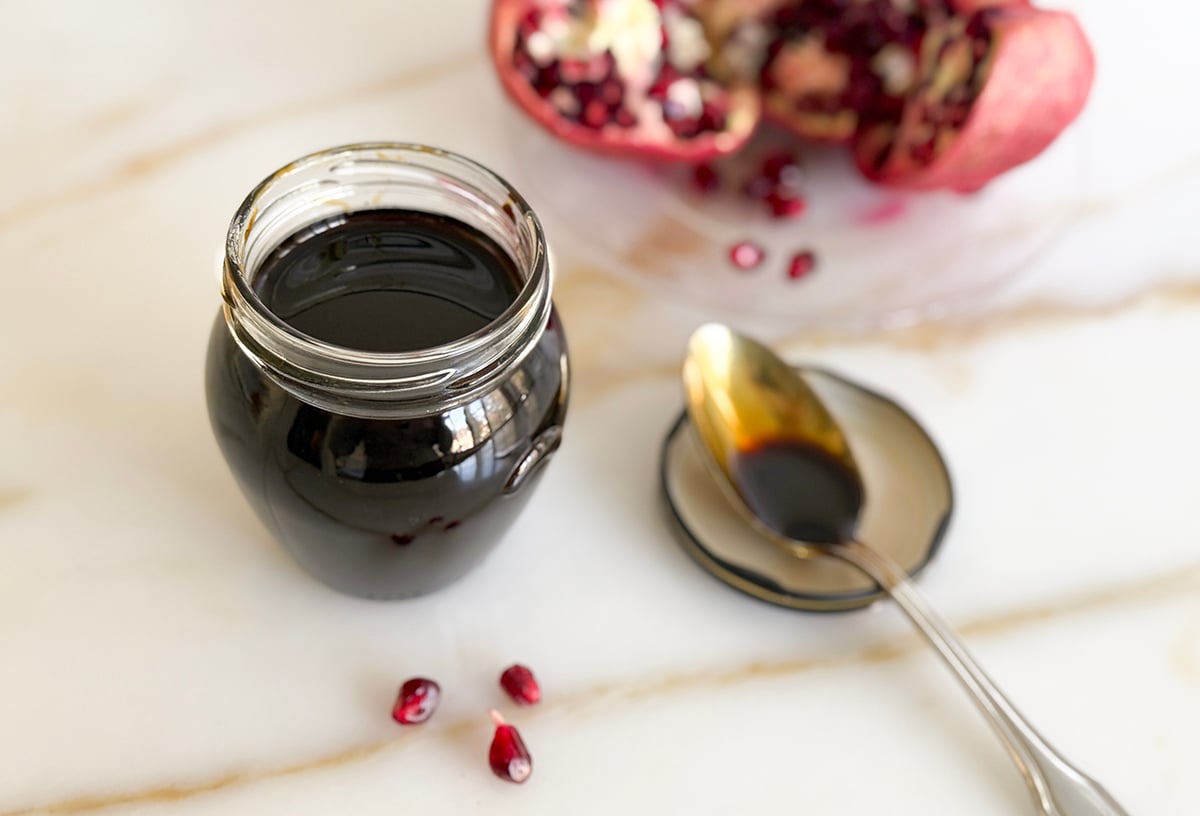
pomegranate molasses stands out as a true secret weapon. This thick, glossy, ruby-red syrup, sometimes referred to as
pomegranate syrup, is a testament to the magic of reduction, concentrating the bright, fruity essence of pomegranates into a complex, sweet-tart elixir. Far more than just a condiment, it’s a versatile ingredient that lends an unparalleled depth of flavor to an astounding array of dishes, from savory marinades and zesty dressings to luxurious desserts and invigorating cocktails. If you’ve ever tasted a dish with an indefinable "zing" and a profound complexity, chances are, pomegranate molasses was the hidden star.
Unlocking the Essence: What Exactly is Pomegranate Molasses?
At its core,
pomegranate molasses is a deeply concentrated reduction of pure pomegranate juice. Imagine taking the vibrant, slightly tart juice of countless pomegranates and slowly simmering it down, allowing the water to evaporate, leaving behind an intensely flavored, syrupy concentrate. This process not only thickens the liquid but also deepens and caramelizes its flavor profile. The result is a liquid jewel that delivers an immediate punch of tanginess, balanced by a subtle, natural sweetness and a hint of complex fruitiness. It's this unique sweet-tart balance that makes it so incredibly adaptable across various culinary applications.
A staple in Lebanese, Syrian, Persian, and broader Middle Eastern cooking,
pomegranate molasses has been cherished for centuries for its ability to brighten and elevate flavors. It's often compared to a balsamic glaze in its intensity and usage but carries a distinct fruity brightness that sets it apart. Whether you're a seasoned chef or an adventurous home cook, understanding and incorporating this ingredient can unlock a whole new dimension of taste in your kitchen.
Crafting Your Own Culinary Jewel: Making Pomegranate Molasses at Home
While readily available in many specialty stores, crafting your own
pomegranate molasses at home is a rewarding experience that allows you to control the ingredients and tailor the flavor to your preference. The process is straightforward, requiring patience more than complex culinary skills.
Essential Ingredients and Equipment
To embark on your homemade molasses journey, you'll need:
- Pomegranate Juice: This is the star. Opt for 100% pure pomegranate juice with no added sugars or preservatives. If you have access to fresh pomegranates, juicing them yourself offers the purest flavor.
- An Acidic Preservative: Crucial for both brightening the flavor and extending shelf life. Options include:
- Freshly Squeezed Lemon Juice: Provides a natural, vibrant tang.
- Bottled Lemon Juice: A convenient alternative.
- Citric Acid: A preferred choice for its consistency and ease of measurement, delivering a clean, bright tartness.
- White Granulated Sugar (Optional): For the classic, sweetened version. This helps balance the tartness and can slightly speed up the reduction process. For a brighter, more intensely tangy sugar-free version, simply omit it.
- Wide Stainless-Steel Pan: The wider the pan, the more surface area for evaporation, which significantly reduces simmering time. A sauté pan or a shallow stockpot works wonderfully.
The Reduction Process: From Juice to Molasses
1.
Combine and Heat: Pour your chosen pomegranate juice into the wide pan. If making the classic (sweetened) version, add sugar at this stage and stir until fully dissolved. For the sugar-free version, just the juice is needed. Bring the mixture to a gentle boil over medium heat, observing steady bubbling.
2.
Gentle Simmering: Once boiling, reduce the heat to a bare simmer. This low, steady heat is crucial to prevent scorching, which can affect the flavor and color of your molasses. Simmer uncovered, allowing the water to slowly evaporate.
3.
The Patience Game: This is where patience comes in. Stir occasionally at first, then more frequently as the liquid begins to thicken. If any residue builds up on the sides of the pan, carefully scrape it down into the liquid. The goal is to reduce the juice to approximately 1/4 of its original volume.
- The classic (sweetened) version typically takes 60-90 minutes.
- The sugar-free (unsweetened) version often requires 90-120 minutes due to the lack of sugar, which aids in thickening.
Keep in mind that simmering times can vary based on your stove's heat, pan width, and even humidity levels.
4.
The Critical Final Stage: The last 10-15 minutes are the most crucial. The molasses will thicken rapidly during this period. Watch it very closely, reducing the heat if necessary and stirring almost constantly to prevent it from catching and burning on the bottom. Burnt molasses is a sad waste of effort!
5.
Testing for Doneness: To ensure perfect consistency, dip a spoon into the molasses. It should coat the back of the spoon rather than dripping off like plain juice. For a more definitive test, swipe your finger through the coating on the spoon; if the line holds cleanly, it’s ready. Remember,
pomegranate molasses will thicken considerably more as it cools. Don't over-reduce it, or it might become too solid when chilled.
6.
Adding the Acid: Turn off the heat. Carefully taste a small amount of the molasses. Now, add your chosen acid (citric acid or lemon juice) in small increments, stirring well and tasting after each addition until you achieve your desired bright, tart balance. This step is vital for both flavor and preservation.
7.
Cooling and Storing: Allow the molasses to cool completely in the pan. As it cools, it will reach its final, rich consistency. Once fully cooled, transfer it to a clean, airtight glass jar or bottle. Stored properly in the refrigerator, homemade pomegranate molasses can last for several months.
For a detailed, step-by-step guide on perfecting your homemade batch, check out our article on
Homemade Pomegranate Molasses: Classic vs. Sugar-Free Recipe.
Unleashing its Culinary Superpowers: How to Use Pomegranate Molasses
The true beauty of
pomegranate molasses lies in its unparalleled versatility. Its sweet-tart profile allows it to bridge the gap between savory and sweet, making it a "game-changer" for countless dishes.
Savory Applications:
- Dressings and Vinaigrettes: A few tablespoons can transform a simple salad dressing, adding a vibrant tang and depth. Pair with olive oil, a touch of Dijon mustard, and herbs for an unforgettable vinaigrette.
- Marinades and Glazes: It's a natural for marinating meats, especially chicken, lamb, and even fish. The acid helps tenderize, while the sugars caramelize beautifully. Brush it onto roasted chicken or grilled salmon during the last few minutes of cooking for a stunning glaze.
- Roasted Vegetables: Drizzle over root vegetables like carrots, parsnips, or sweet potatoes before roasting. It caramelizes, creating a delicious, slightly crispy coating. It also works wonders with Brussels sprouts or cauliflower.
- Dips and Spreads: Stir a spoonful into hummus, baba ghanoush, or muhammara (a roasted red pepper and walnut dip) to introduce an authentic Middle Eastern flavor. It cuts through the richness and adds a bright lift.
- Stews and Braises: A secret ingredient in many Middle Eastern stews (like Fesenjan, a Persian walnut and chicken stew) and braises. It adds a sophisticated layer of flavor, balancing richness with acidity.
- Sauces: Whisk it into pan sauces or gravy for roasted meats to add a complex, fruity undertone.
Sweet Applications:
- Dessert Drizzle: Drizzle it over plain yogurt, ice cream, fruit salads, or even cheesecake for an elegant, tart finish.
- Baking: Incorporate small amounts into cake batters, muffin mixes, or even shortbread for a subtle fruity complexity.
- Beverages: A fantastic addition to cocktails and mocktails. Use it to sweeten and tarten drinks, creating visually stunning and delicious concoctions.
Tips for Integrating Pomegranate Molasses:
- Start Small: Its flavor is concentrated, so begin with a small amount (e.g., a teaspoon or tablespoon) and add more to taste.
- Balance is Key: Use it to balance rich, fatty, or overly sweet dishes, providing a much-needed acidic counterpoint.
- Consider Pairings: It pairs beautifully with ingredients like mint, feta cheese, walnuts, pistachios, olive oil, and other citrus fruits.
To delve deeper into the myriad ways this ruby condiment can transform your meals, read our comprehensive guide:
What is Pomegranate Molasses? Discover This Middle Eastern Staple.
Why Pomegranate Molasses Deserves a Spot in Your Pantry
Beyond its incredible flavor profile,
pomegranate molasses offers several compelling reasons to become a pantry essential. It boasts a relatively long shelf life when stored correctly, making it a convenient ingredient to have on hand for impromptu culinary inspiration. Its unique ability to impart both sweetness and tartness, along with a caramelized depth, means it can often play multiple roles in a dish, simplifying your ingredient list while maximizing flavor impact. It’s not just an ingredient; it's a flavor enhancer, a secret weapon that can elevate your cooking to new heights, imbuing dishes with that elusive restaurant-quality complexity.
Conclusion
From its humble origins as reduced pomegranate juice,
pomegranate molasses has grown into a cherished culinary secret, admired for its distinctive sweet-tart profile and astonishing versatility. Whether you choose to craft your own batch from scratch or pick up a bottle from a specialty store, integrating this glossy, ruby-red elixir into your cooking will undoubtedly open up a world of vibrant flavors. Embrace this Middle Eastern staple, and discover for yourself how a single spoonful can transform simple ingredients into a truly unforgettable culinary experience.