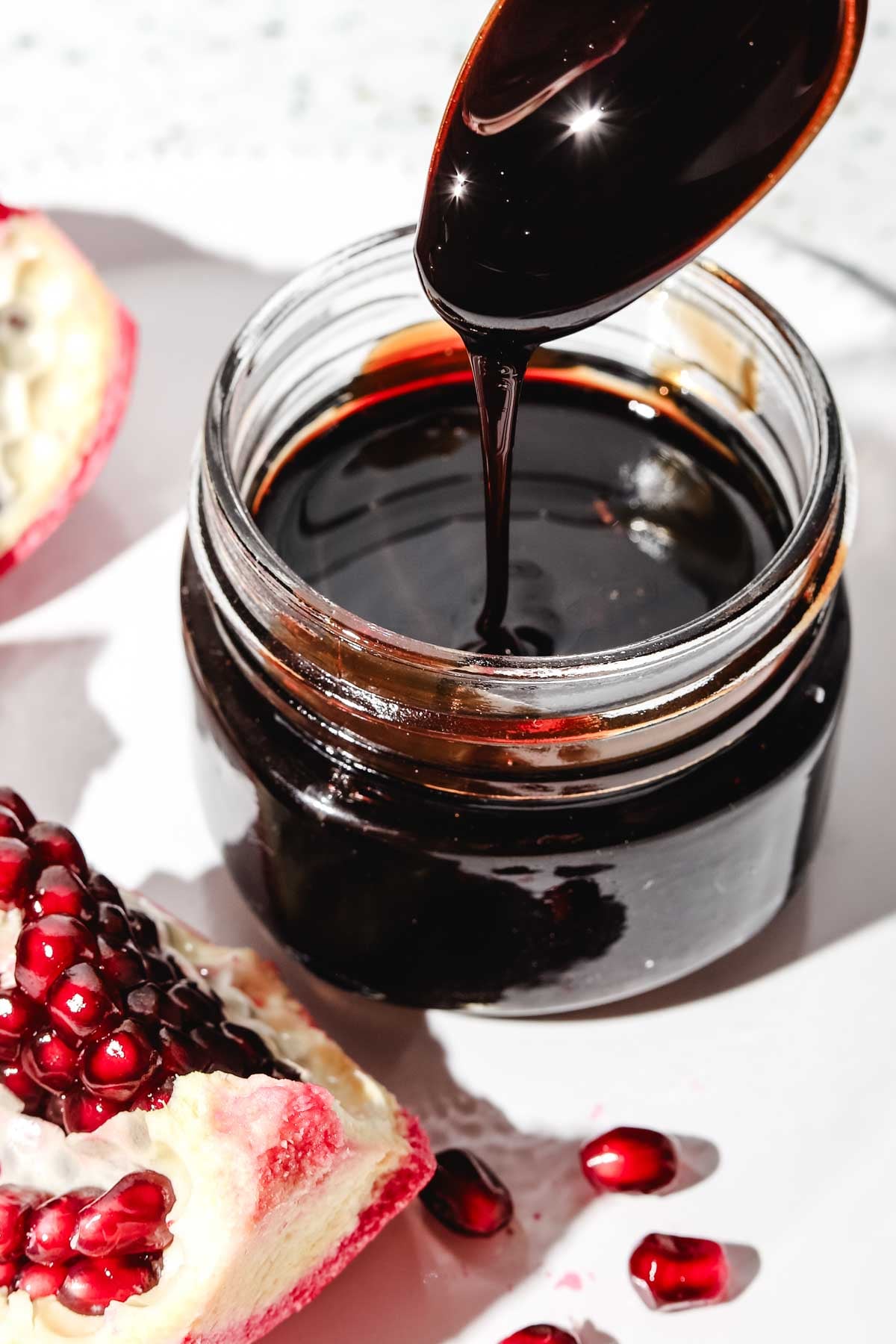
Unlock a world of vibrant flavor by crafting your own pomegranate molasses at home. This essential Middle Eastern condiment, a staple in cuisines from Lebanese to Persian, is a culinary marvel capable of transforming dishes with its signature sweet-tart profile. Whether you're aiming for a perfectly balanced sweetness or a pure, intense tang, homemade pomegranate molasses offers unparalleled freshness and control over ingredients.
In this comprehensive guide, we'll explore the art of making pomegranate molasses from scratch, delving into two popular methods: the classic sweetened version and a brighter, sugar-free alternative. Forget store-bought; once you experience the rich, concentrated taste of homemade, you'll never look back!
What Exactly is Pomegranate Molasses?
At its heart, pomegranate molasses is a deeply concentrated syrup made by slowly reducing pure pomegranate juice. As the water evaporates during a gentle simmer, the natural sugars caramelize, and the unique sweet and tart notes of the pomegranate intensify dramatically. The result is a thick, glossy, ruby-red liquid that boasts a complex flavor profile – simultaneously fruity, tangy, and subtly caramelized.
Sometimes referred to as pomegranate syrup, this versatile ingredient is far more than just a sweetener. It's a flavor enhancer, a brightening agent, and a testament to the transformative power of simple culinary techniques. To truly understand the depths of this ruby-red condiment, explore What is Pomegranate Molasses? Discover This Middle Eastern Staple.
Why Make Pomegranate Molasses at Home?
While store-bought versions are available, making your own pomegranate molasses offers several distinct advantages:
- Uncompromised Quality: You control every ingredient, ensuring only 100% pure pomegranate juice is used, free from artificial additives, colors, or unwanted thickeners often found in commercial products.
- Tailored Flavor: Customization is key. You can adjust the level of sweetness, tartness, and even the final consistency to perfectly suit your palate and culinary needs.
- Superior Freshness: The vibrant taste of freshly made molasses is simply unmatched. It captures the true essence of pomegranate in a way that shelf-stable versions often can't.
- Cost-Effective: Pomegranate juice is generally more affordable than pre-made molasses, especially if you're buying it in bulk or making it during pomegranate season.
- Culinary Satisfaction: There’s immense satisfaction in creating such a fundamental and versatile ingredient from scratch, deepening your connection to the food you prepare.
Ingredients and Equipment: Getting Started
Making pomegranate molasses requires just a few basic ingredients and a simple setup. Here's what you'll need:
Essential Ingredients:
- Pomegranate Juice: This is the star of the show. You can use store-bought 100% pure pomegranate juice (ensure no added sugars or other ingredients) or make your own from fresh pomegranates. For the best results, use a high-quality, pure juice.
- Acidic Preservative: A touch of acid at the end not only acts as a natural preservative, extending shelf life, but also brightens the overall flavor.
- Citric Acid: A preferred option for its consistency, ease of measurement, and potent brightening effect.
- Lemon Juice: Freshly squeezed or bottled lemon juice works well, offering a slightly different flavor nuance.
- White Granulated Sugar (for Classic Method Only): This is added to the classic version to achieve a more balanced sweet-tart profile and can sometimes aid in a slightly faster reduction. Skip this for the sugar-free recipe.
Recommended Equipment:
- Wide Stainless-Steel Saucepan or Sauté Pan: This is crucial. A wide surface area allows for maximum water evaporation, significantly reducing simmering time and ensuring even reduction. Stainless steel is preferred for even heat distribution and preventing reactivity.
- Heat-Resistant Spatula or Spoon: For occasional stirring and scraping down the sides.
- Fine-Mesh Sieve (Optional): If making juice from scratch, to remove pulp and seeds.
- Clean, Airtight Glass Jar or Bottle: For storing your finished molasses.
The Two Paths to Perfection: Classic vs. Sugar-Free Pomegranate Molasses
The choice between classic and sugar-free comes down to your desired flavor intensity and sweetness level. Both yield delicious results, but with distinct characteristics.
Classic (Sweetened) Pomegranate Molasses
The classic method involves adding white granulated sugar to the pomegranate juice before reduction. This results in a product that is:
- More Balanced: The added sugar mellows the natural tartness of the pomegranate, creating a harmonious sweet-tart flavor.
- Richer and Deeper: The caramelization of both natural and added sugars contributes to a more profound, almost jammy depth of flavor.
- Potentially Faster Reduction: In some cases, the presence of sugar can slightly shorten the simmering time compared to its sugar-free counterpart, though this varies.
This version is incredibly versatile, lending itself beautifully to both savory applications like marinades and dressings, as well as dessert drizzles and glazes.
Sugar-Free (Unsweetened) Pomegranate Molasses
For those who prefer a more intense, unadulterated pomegranate experience, the sugar-free method is ideal. It involves reducing pure pomegranate juice without any added sugar, resulting in a molasses that is:
- Brighter and More Intensely Tangy: The pure tartness of the pomegranate shines through, delivering a bold, concentrated flavor kick.
- More Assertive: It brings a powerful punch of flavor to dishes, making it perfect for applications where you want the pomegranate to truly stand out.
- Longer Simmering Time: Without the added sugar, the reduction process can sometimes take a bit longer, as there's more water to evaporate relative to the solids.
This unsweetened variant is a fantastic choice for savory dishes, Middle Eastern stews, vibrant salad dressings, and as a secret ingredient to balance richness in various recipes.
Step-by-Step Guide to Homemade Pomegranate Molasses
The core process for both methods is largely the same, with a key difference at the beginning. Follow these steps for perfect homemade pomegranate molasses:
- Prepare Your Pan: Pour your chosen amount of 100% pure pomegranate juice into your wide stainless-steel saucepan or sauté pan. A wider pan ensures faster evaporation and a quicker reduction.
- Sweeten (or Don't):
- For Classic (Sweetened): Add the desired amount of white granulated sugar to the juice. Stir well until the sugar completely dissolves.
- For Sugar-Free (Unsweetened): Skip the sugar. Use only the pomegranate juice at this stage.
- Bring to a Boil: Place the pan over medium heat and bring the mixture to a gentle, steady boil. You'll see consistent bubbling across the surface.
- Reduce to a Simmer: Once boiling, immediately reduce the heat to a bare simmer. This is crucial to prevent scorching the bottom of the pan and to help maintain a vibrant color. Simmer uncovered.
- Simmer and Stir:
- Initially, you'll only need to stir occasionally. As the liquid level drops and it begins to thicken, stir more frequently to prevent it from sticking to the bottom.
- If any foam or buildup collects on the sides of the pan, scrape it down into the liquid.
- The classic (sweetened) version typically simmers for about 60–90 minutes, while the sugar-free (unsweetened) version may take 90–120 minutes. Remember, these are guidelines; actual simmering time varies significantly based on your stove, pan width, and initial juice volume.
- Watch for Final Thickening: Pay close attention during the last 10–15 minutes. The molasses will thicken rapidly. Reduce the heat further if needed and stir almost constantly to prevent it from catching. You're aiming to reduce the original volume by approximately three-quarters, leaving you with about 1/4 of the initial liquid.
- Test for Doneness:
- Dip a spoon into the molasses. If it coats the back of the spoon rather than dripping off like juice, it's getting close.
- For a more precise test, swipe your finger through the coating on the spoon. If the line holds clear and doesn't run, your molasses is ready. Keep in mind it will thicken significantly more as it cools.
- Add the Acid: Turn off the heat. Carefully taste a small amount of the warm molasses. Then, add your chosen acidic preservative (citric acid or lemon juice) in small increments, stirring well after each addition and tasting. A little goes a long way to brighten the flavor and extend shelf life.
- Cool and Store: Allow the pomegranate molasses to cool completely in the pan. As it cools, it will continue to thicken to its final consistency. Once entirely cool, transfer it to a clean, airtight glass jar or bottle. Store in the refrigerator, where it will keep for several months.
Expert Tips for Perfect Pomegranate Molasses
- Don't Over-Reduce: This is perhaps the most crucial tip. If you reduce it too far, your molasses will become extremely thick, almost solid, once chilled. It should still be pourable when warm, knowing it will set up considerably.
- Maintain a Gentle Simmer: High heat can lead to scorching, resulting in a bitter taste and a muddy color. Keep the bubbles small and gentle.
- Choose Your Juice Wisely: If using store-bought, opt for organic, 100% pure pomegranate juice without any "from concentrate" or added ingredients. For homemade, ensure you strain it well to remove all pulp.
- Consider Citric Acid: While lemon juice works, citric acid offers a more consistent and predictable tartness without adding extra liquid or a distinct lemon flavor. It's often preferred by professional chefs for its reliability.
- Embrace the Aroma: As your molasses simmers, your kitchen will fill with the most wonderful, fruity aroma. It’s part of the homemade experience!
- Batch Size: For your first attempt, consider a smaller batch (e.g., 4 cups of juice) to get a feel for the process before scaling up.
Once you've mastered making it, you'll want to dive into its many culinary uses, as highlighted in Pomegranate Molasses: Sweet, Tart & Versatile Culinary Secret.
Conclusion
Making homemade pomegranate molasses, whether you choose the classic sweetened or the vibrant sugar-free version, is a deeply rewarding culinary endeavor. It’s a process that transforms simple juice into a complex, versatile, and utterly delicious condiment that will elevate countless dishes. With a little patience and attention, you’ll have a jar of this ruby-red liquid gold ready to brighten marinades, deepen stews, enhance dressings, and even add a sophisticated touch to desserts and cocktails. So, grab your pomegranate juice and a wide pan, and embark on this flavorful journey – your taste buds will thank you!
